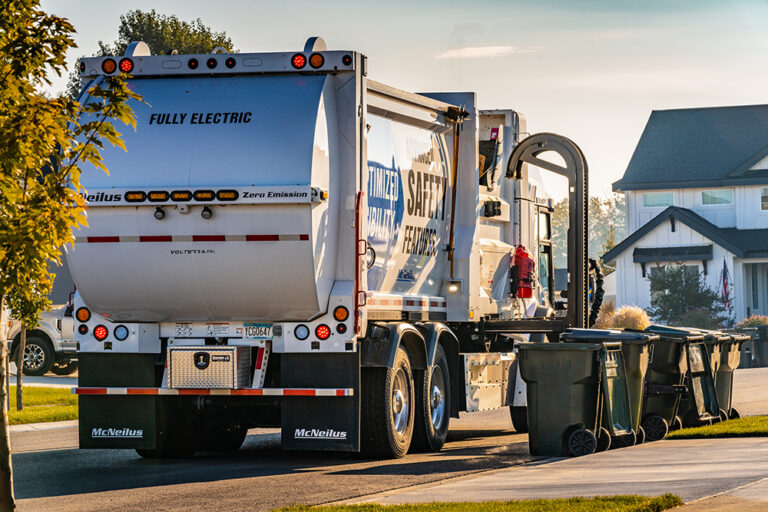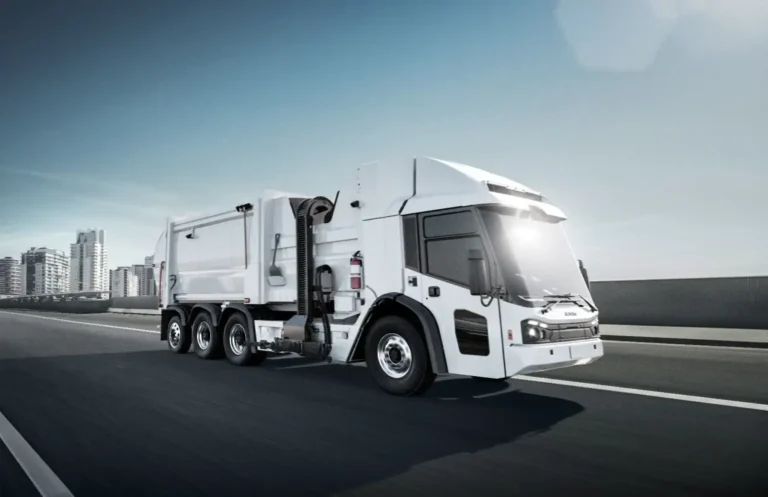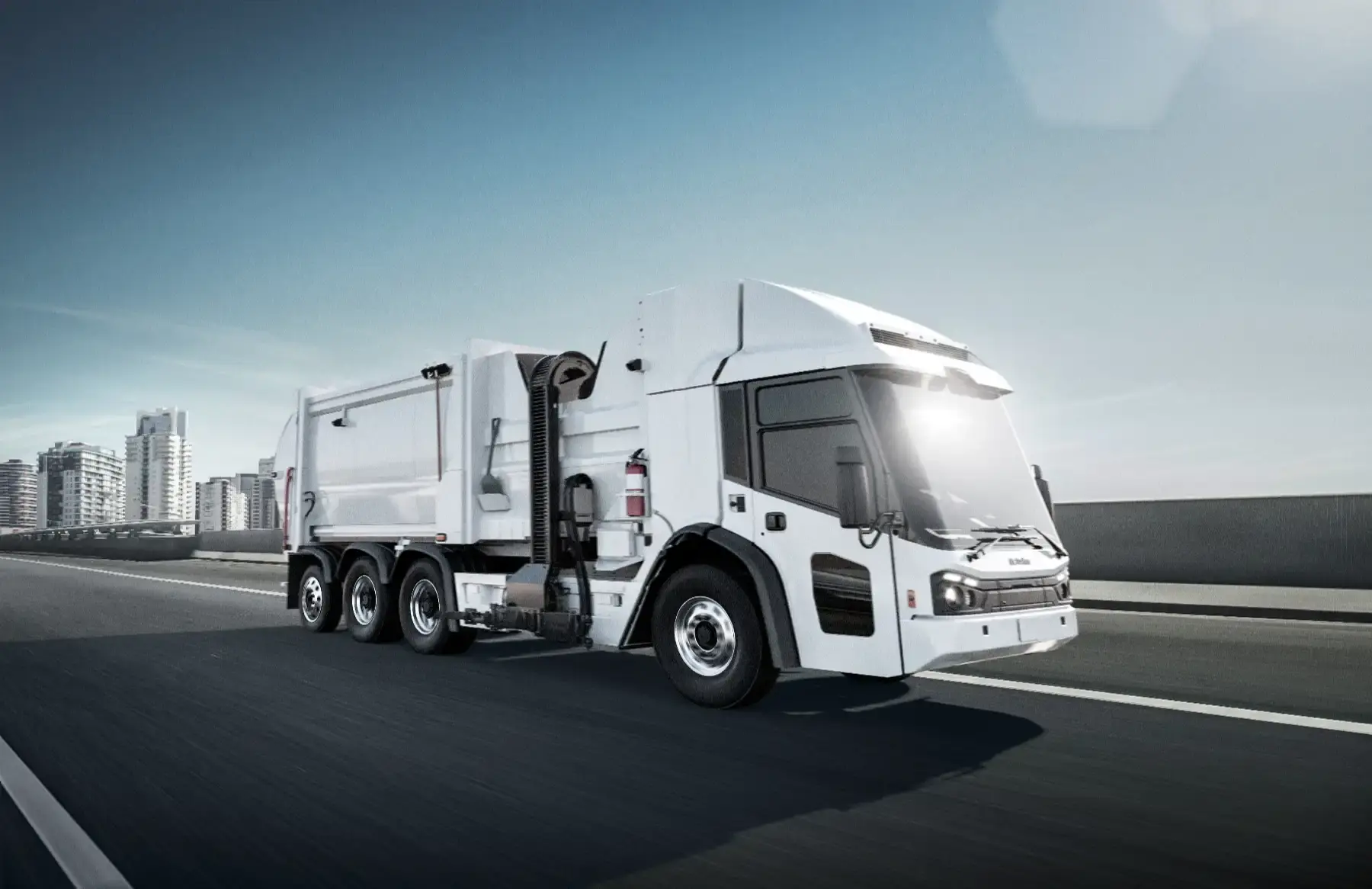
Residential waste collection requires careful coordination, reliable vehicles, and efficient route planning. Waste management companies must serve numerous households while managing traffic, narrow streets, container placement, labor requirements, and disposal schedules. McNeilus refuse trucks are designed for specialized waste collection applications that can help operators address these everyday challenges. By selecting appropriate truck configurations and maintaining them consistently, waste collection businesses can improve route performance, reduce unnecessary delays, and provide more dependable residential services.
Understanding Residential Waste Collection Challenges
Residential collection differs from many commercial waste operations because trucks often make frequent stops along neighborhood streets. Drivers may encounter parked vehicles, limited turning space, changing traffic conditions, and containers placed at different distances from the road.
These conditions make vehicle maneuverability and collection method important considerations. A truck that is suitable for a wide commercial loading area may not be the most practical choice for a neighborhood with narrow streets and limited access.
McNeilus refuse trucks are available in configurations designed for different collection requirements. Fleet managers should assess the layout of their service areas, the types of containers used, average waste volumes, and the number of households served before selecting equipment.
Understanding these factors helps businesses match their vehicles to actual route conditions instead of relying only on general specifications.
Choosing the Right Truck for Residential Routes
The correct refuse truck configuration can improve the way collection crews complete their daily work. Rear loaders and side loaders are both relevant to residential collection, although their suitability depends on the collection system.
A McNeilus rear loader can support residential routes that require flexible loading arrangements. Depending on the model and options, it may accommodate compatible cart tippers or other container-handling equipment. Rear loaders can also be useful for selected light commercial applications.
Automated side loaders are designed for collection programs using compatible carts. Their mechanical arms can reduce manual handling when containers are positioned correctly and the route provides adequate operating space.
Fleet managers should compare body capacity, vehicle dimensions, loading mechanisms, operator visibility, and maintenance requirements. They should also consider whether their current workforce, carts, and route infrastructure support the selected collection method.
Improving Route Efficiency
Route planning is a major factor in residential collection productivity. Poorly organized routes can increase mileage, fuel consumption, working hours, and the time required to reach disposal facilities.
Businesses should organize stops according to geographic location, traffic patterns, collection schedules, and road accessibility. They can also review route records to identify repeated delays or locations that create operational difficulties.
McNeilus refuse trucks should be assigned to routes that suit their configuration and capacity. Smaller or more maneuverable vehicles may be appropriate for certain constrained areas, while other routes may require trucks with greater capacity or different loading arrangements.
Fleet managers should monitor completed stops, collection time, mileage, and disposal trips. These measurements help identify opportunities to improve schedules without compromising safe operating practices.
Using Compaction Capacity Effectively
Compaction systems help reduce the volume of waste collected inside a refuse truck. This can allow crews to use the available body space more effectively and potentially reduce trips to disposal facilities.
The benefits depend on the waste material, the vehicle configuration, and the applicable payload limits. Household garbage can vary considerably in density, so a truck’s body may not always reach its full volume before the legal weight limit is reached.
Fleet managers should use realistic waste volume and weight estimates when planning routes. They should also ensure that compaction mechanisms operate properly and receive maintenance according to the manufacturer’s instructions.
Unusual noises, inconsistent compaction cycles, or hydraulic performance changes should be investigated promptly to prevent unnecessary disruption.
Maintenance for Reliable Residential Collection
Residential collection places repeated demands on loading mechanisms, hydraulic systems, tires, brakes, and other vehicle components. Frequent stops and loading cycles make preventive maintenance particularly important.
Daily inspections should include tires, lights, mirrors, fluid levels, visible leaks, and safety-related components. The refuse body, compaction mechanism, and container-handling equipment should also receive appropriate attention.
Fleet managers should maintain service records and schedule inspections based on manufacturer recommendations and actual operating conditions. These records help identify recurring problems and provide a basis for estimating repair expenses.
When replacement components are needed, businesses should verify model and component specifications before ordering McNeilus truck parts. Correct identification helps prevent compatibility problems and unnecessary delays.
Training Drivers and Collection Crews
Vehicle performance depends partly on how drivers and collection crews operate the equipment. Proper training can improve consistency, support safe collection procedures, and reduce avoidable equipment damage.
Drivers should understand vehicle dimensions, visibility limitations, reversing procedures, loading controls, and inspection requirements. Collection crews should follow established safety procedures when working near moving equipment and other road users.
Training should also cover fault reporting. Employees who notice unusual noises, leaks, warning lights, or inconsistent loading performance should report them promptly.
Regular communication between drivers, supervisors, and maintenance teams helps ensure that equipment problems receive appropriate attention before they become major operational interruptions.
Parts and Service Support From Ten-8 Industrial
Access to replacement components and technical support can affect how quickly a truck returns to service. Businesses should identify suitable suppliers before an urgent repair occurs.
Ten-8 Industrial provides McNeilus refuse truck parts and service support in its designated southeastern United States territory, including Alabama, Florida, Georgia, and Mississippi. Its services include refuse body diagnostics, repairs, hydraulic system support, and preventive maintenance.
Residential waste collection companies in its service area can investigate these offerings when planning fleet maintenance. Before arranging service, they should confirm the provider’s current coverage, availability, and ability to support their specific truck configuration.
Keeping accurate vehicle identification and repair records can also make it easier to communicate maintenance requirements and obtain the correct components.
Measuring Residential Collection Performance
Businesses should regularly review fleet performance to determine whether their residential collection operations are meeting service expectations.
Useful indicators include completed stops, route duration, fuel consumption, maintenance expenses, missed collections, and vehicle downtime. These measurements can help managers identify whether problems arise from route design, vehicle condition, staffing, or other operational factors.
Customer feedback can also highlight repeated service difficulties, such as inaccessible collection points or inconsistent schedules. Managers can use this information to adjust procedures and improve service reliability.
Performance reviews should focus on practical improvements while maintaining safe working conditions and compliance with applicable regulations.
Conclusion
McNeilus refuse trucks can support residential waste collection through configurations designed for different loading methods and route conditions. Selecting the appropriate vehicle, organizing efficient routes, and maintaining collection equipment are essential steps toward reliable daily operations.
Businesses can further improve performance through driver training, accurate fleet records, and timely access to compatible replacement components. By evaluating support providers such as Ten-8 Industrial where available, waste management companies can develop a more organized approach to maintenance and keep residential collection services running effectively.
About the Author