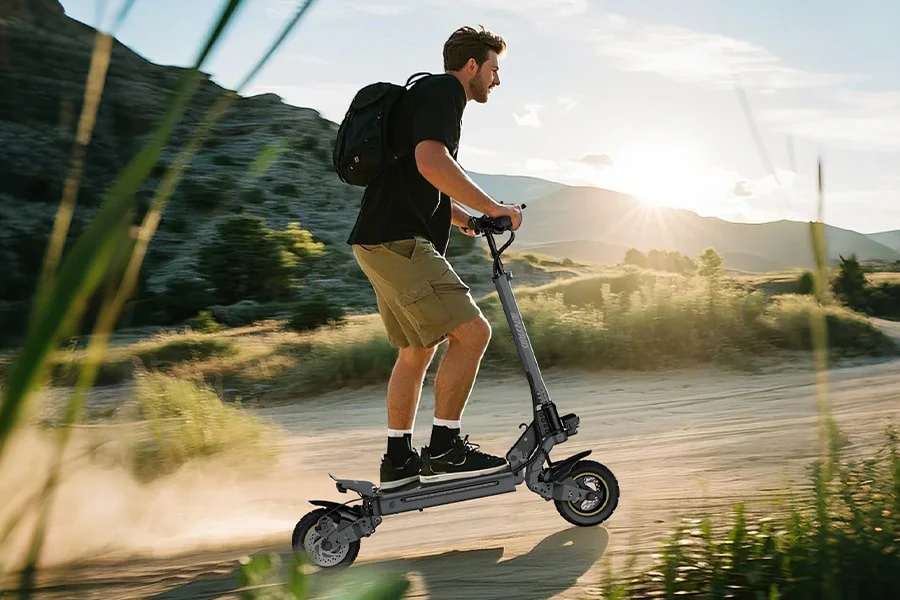
As urban mobility continues to evolve, electric scooters are becoming a popular choice for commuting, recreation, and even high-speed riding. While their design may appear simple on the surface, the engineering behind high-performance electric scooters is complex and constantly advancing. From powerful motors to intelligent control systems, multiple technologies work together to deliver speed, efficiency, and safety. This article explores the key technical elements and challenges that drive the development of modern high-performance electric scooters.
Motor Power and Control Precision
The motor serves as the core component of an electric scooter, directly influencing acceleration, climbing ability, and maximum speed. High-performance scooters are equipped with powerful dual-motor systems capable of delivering impressive speed and torque. However, such power requires highly precise control systems to ensure smooth and stable operation.
One of the primary challenges lies in managing current and voltage in real time. Controllers must react almost instantly under high electrical loads to maintain performance and safety. Heat management is another critical factor, as sustained high output can generate significant temperatures that must be effectively dissipated. Additionally, achieving a balance between torque and speed is essential. Advanced control methods, such as vector-based motor control, help maintain stability at low speeds while optimizing performance at higher speeds.
Battery Management and Range Optimization
Battery capacity plays a major role in determining how far an electric scooter can travel on a single charge. High-performance models typically use large lithium battery packs made up of high-density cells, providing extended range and consistent power delivery.
To ensure safe and efficient operation, advanced battery management systems are required. These systems continuously monitor factors such as voltage, current, temperature, and state of charge to prevent issues like overcharging or deep discharging. Another challenge involves balancing fast-charging capabilities with long-term battery health, as rapid charging can impact overall lifespan. Cell balancing is also crucial, as it maintains uniform performance across all battery cells and prevents premature degradation.
Suspension System Optimization
Riders of high-performance scooters often encounter uneven terrain, making a well-designed suspension system essential for comfort and control. Advanced suspension setups typically combine front and rear components to absorb shocks and maintain stability during high-speed rides.
Designing an effective suspension system involves carefully tuning compression and rebound rates to match different riding conditions and rider weights. Engineers must also strike a balance between stiffness and comfort, ensuring that the scooter remains responsive without compromising ride quality. Durability is another key consideration, as suspension components must withstand repeated stress, impacts, and vibrations over time.
Intelligent Control Systems
Modern electric scooters have evolved beyond purely mechanical devices and now incorporate a range of smart technologies. Features such as wireless unlocking, mobile app integration, digital displays, and connectivity options enhance convenience and user experience.
However, integrating these systems presents its own challenges. Maintaining stable communication signals, especially during high-speed rides, is essential for reliability. At the same time, power consumption must be carefully managed so that smart features do not interfere with the scooter’s core performance. Achieving this balance ensures that riders benefit from advanced functionality without sacrificing efficiency.
Braking System and Safety Design
As electric scooters become faster and more powerful, effective braking systems are critical for rider safety. High-performance models often combine hydraulic braking mechanisms with electronic braking assistance to deliver strong and consistent stopping power.
One of the main challenges is minimizing response time, ensuring that braking occurs almost instantly when activated. Heat buildup during prolonged braking, such as when descending slopes, can reduce effectiveness and must be addressed through proper design. Coordinating electronic and mechanical braking systems is also essential, as it allows for smoother and more controlled deceleration under various conditions.
Conclusion: Engineering Defines Performance
Although electric scooters may appear straightforward, high-performance models are the result of advanced engineering across multiple systems. From motor control and battery technology to suspension design, safety features, and smart integration, each component plays a vital role in overall performance.
As emerging technologies such as artificial intelligence and connected systems continue to influence mobility, electric scooters are expected to become even more intelligent, efficient, and adaptable. The future of high-performance scooters lies in the seamless integration of these innovations, delivering safer and more refined riding experiences for users worldwide.
About the Author